How Level Design and Difficulty Systems Create Balanced Challenges
Behind every high-quality Sudoku puzzle lies a carefully constructed design framework. In Sudoku - Classic Sudoku Puzzle, level creation follows strict logical principles to ensure fairness, clarity, and long-term engagement.
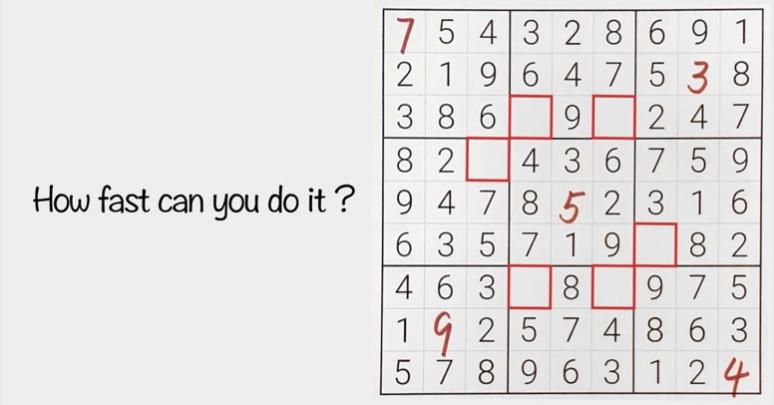
The design process begins with solution modeling. Each puzzle is built from a complete, valid solution grid. Designers then selectively remove numbers while preserving logical solvability. This guarantees that every puzzle has a unique solution.
Difficulty is determined by solving path complexity rather than randomness. Easy puzzles rely on direct placement and basic elimination, while harder levels require multi-layered reasoning and advanced techniques.
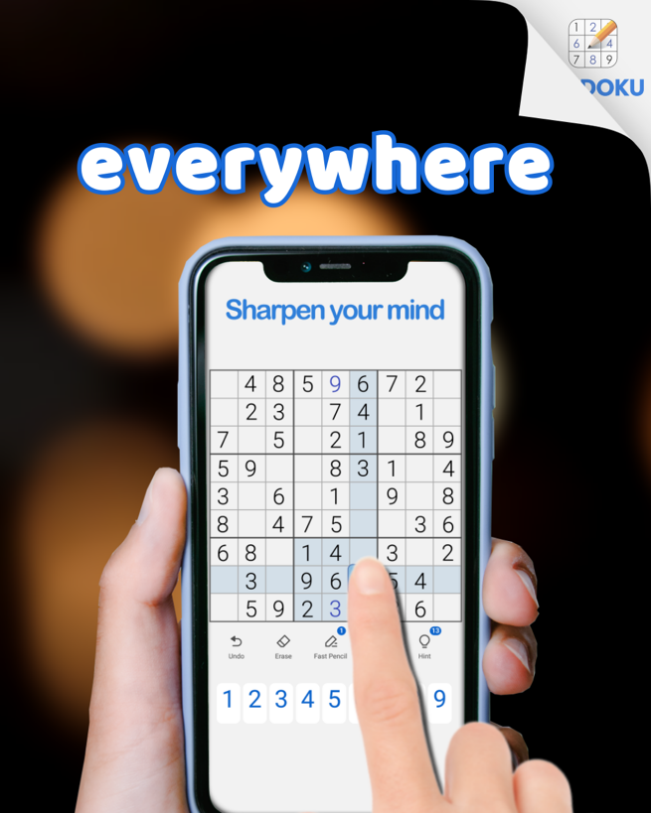
Progression follows a gradual learning curve. New logical patterns are introduced one at a time, allowing players to adapt without cognitive overload.
Special modes such as Killer and Ice Sudoku are designed with layered constraints. These formats are tested extensively to avoid unsolvable states and excessive dependency on guesswork.
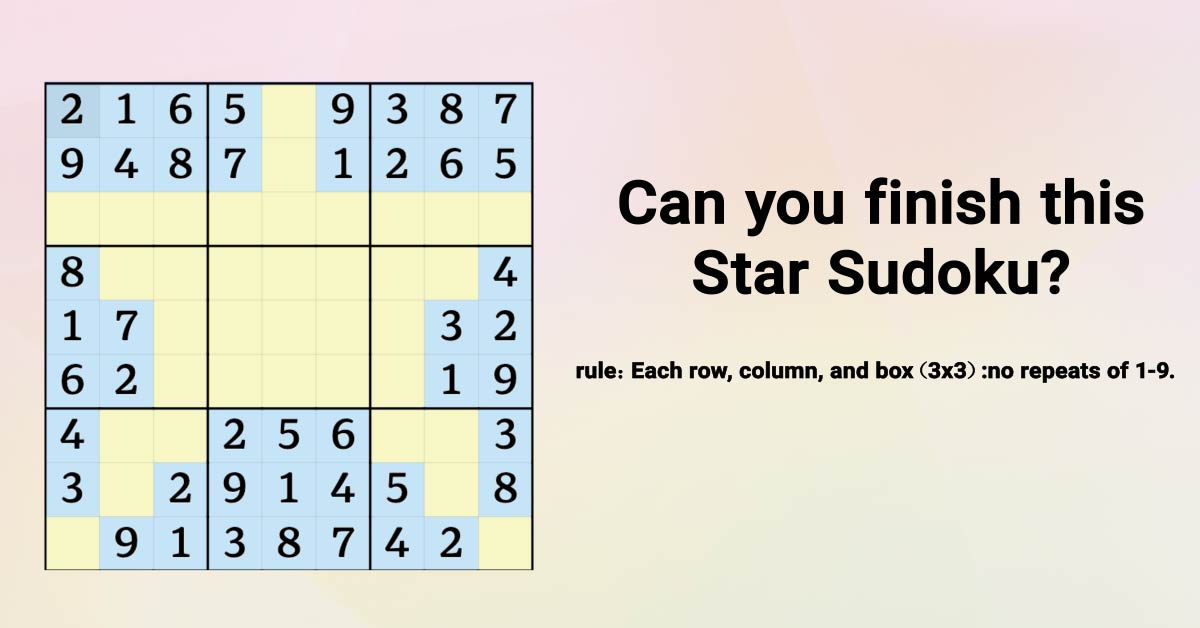
Internal validation systems simulate multiple solving approaches to detect dead ends and ambiguous situations. Only puzzles that meet strict quality standards are released.
Player feedback plays a role in refinement. Data on completion rates and time spent is analyzed to optimize difficulty balance.
Through systematic construction and continuous optimization, Sudoku - Classic Sudoku Puzzle delivers puzzles that challenge without discouraging players.