How to Solve Killer, Ice, and Expert-Level Puzzles
High-difficulty puzzles in Sudoku - Classic Sudoku Puzzle are designed to challenge advanced reasoning, patience, and analytical precision. These stages often combine multiple constraints that require systematic problem-solving.
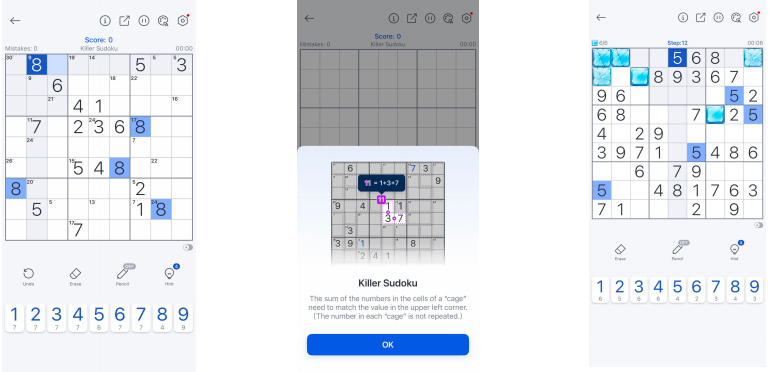
Killer Sudoku introduces cage-based sum rules. Players must calculate combinations that satisfy cage totals while maintaining standard Sudoku constraints. Starting with low-sum or high-sum cages helps narrow possibilities early.
Ice Sudoku adds frozen cells that cannot be modified until surrounding conditions are met. Identifying unlock sequences is essential for avoiding deadlocks and wasted moves.
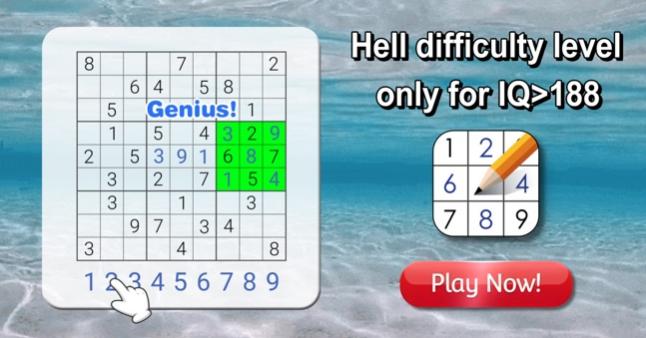
Expert-level puzzles typically feature minimal initial numbers and dense interdependencies. These layouts demand multi-step reasoning and advanced elimination techniques.
One effective strategy is decomposing complex grids into smaller logical units. Solving manageable sections first reduces cognitive load.
Backtracking should be used cautiously. Instead of guessing, players are encouraged to re-evaluate candidate distributions and structural relationships.
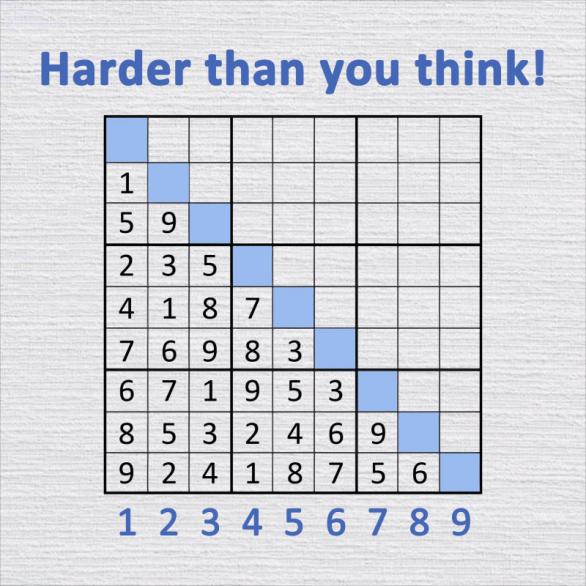
Time management is also important in advanced play. Taking deliberate pauses to reassess often reveals overlooked connections.
Regular exposure to difficult puzzles strengthens resilience and deepens logical intuition.
Through structured analysis and disciplined reasoning, even the most demanding Sudoku challenges become solvable.